
Repairs and Resurfacing
When a driveway, patio or path dips, rocks or breaks up, the fault is often in the layer below. Repair work starts by finding out what is underneath.
What is examined first
The existing surface is looked at across the whole area, not only at the visible damage. Areas that have moved, dropped or started to hold water are noted, and the edges and any drainage points are checked for signs of where the fault begins.
Repairing the base
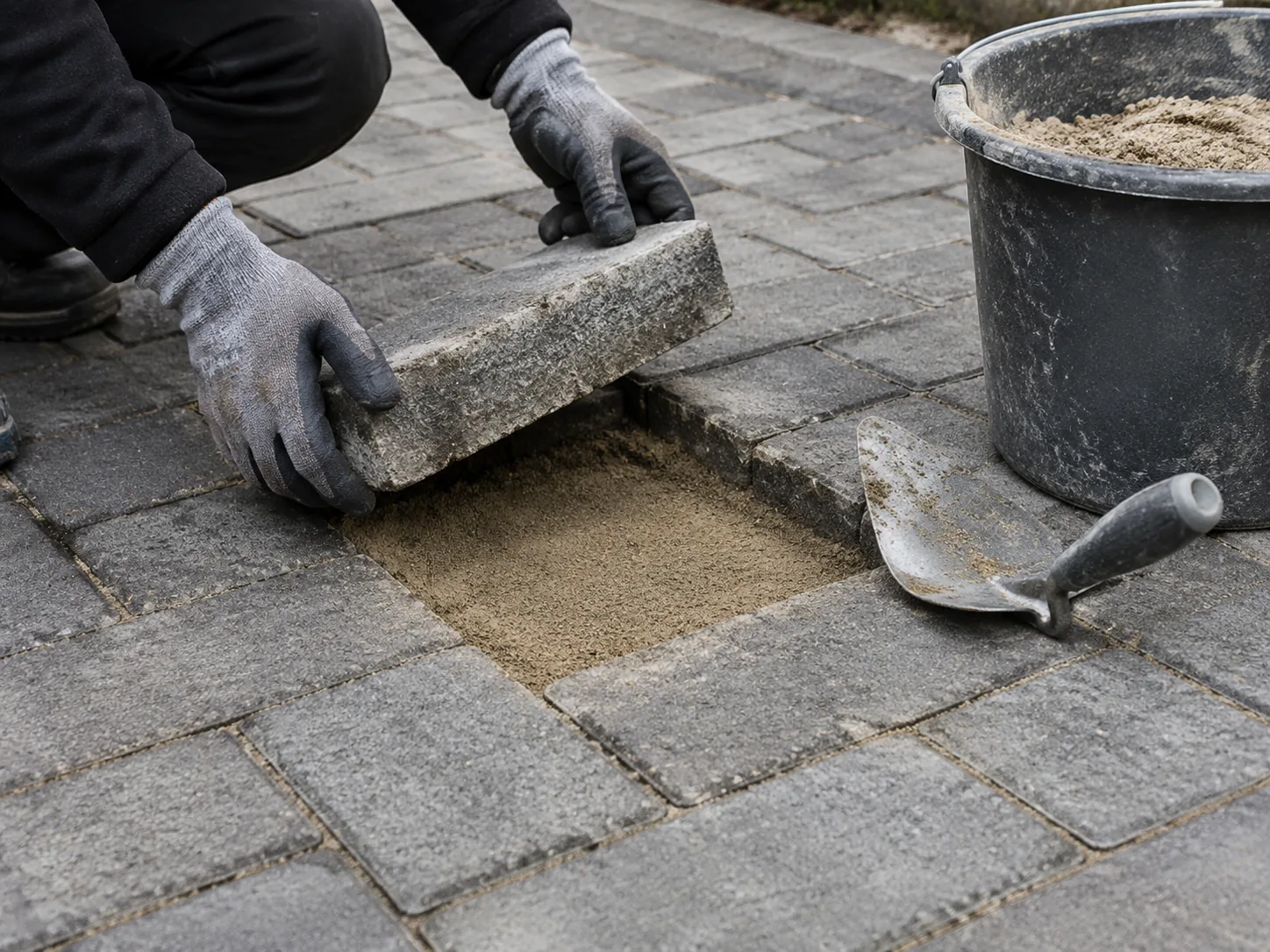
Where the problem sits in the ground layer, the failed area is lifted and the base is corrected: unsuitable material is removed, the sub-base is re-laid and compacted, and the levels are brought back to where the surrounding surface sits. Covering a failed base with new paving would only transfer the fault upwards.
Tying in the new surface
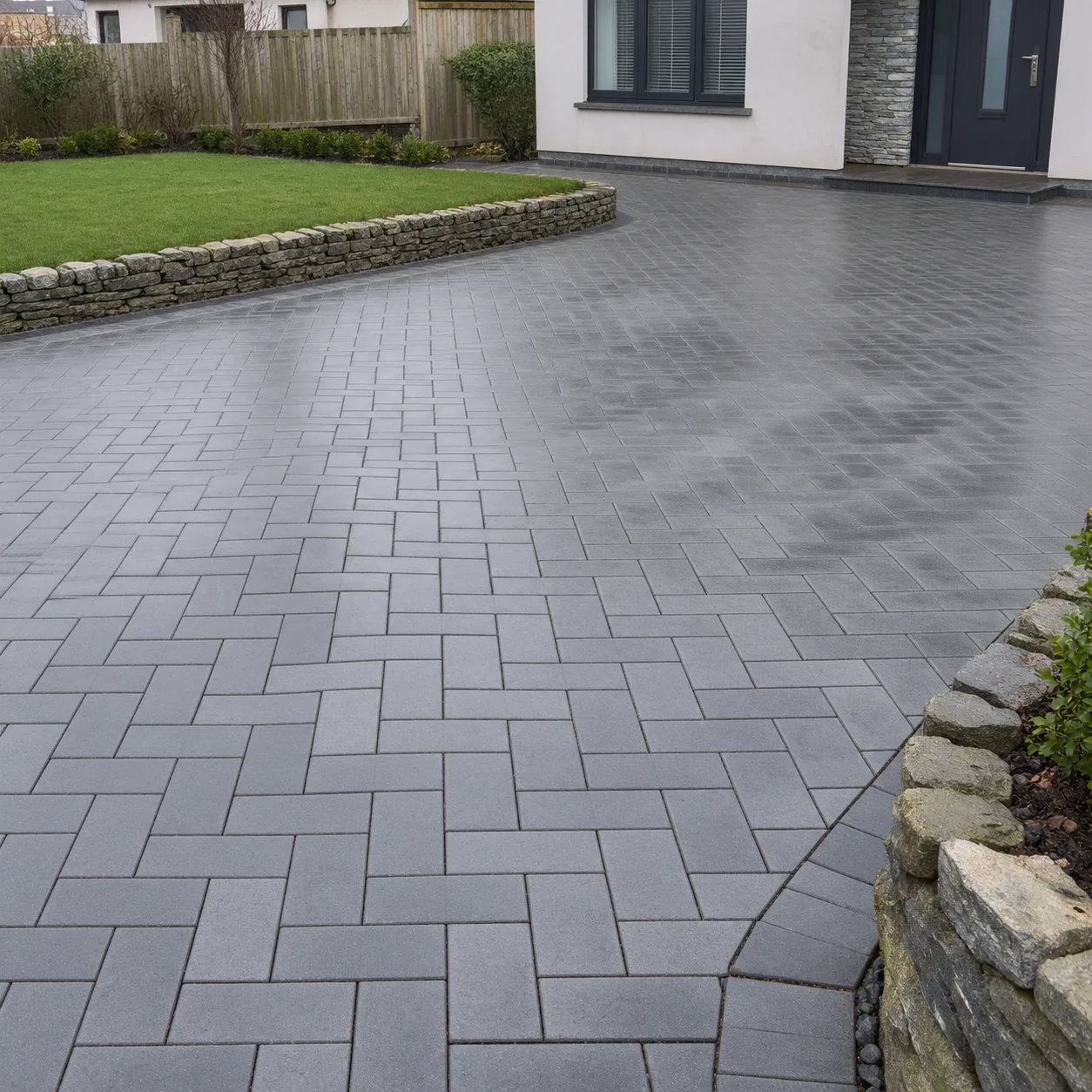
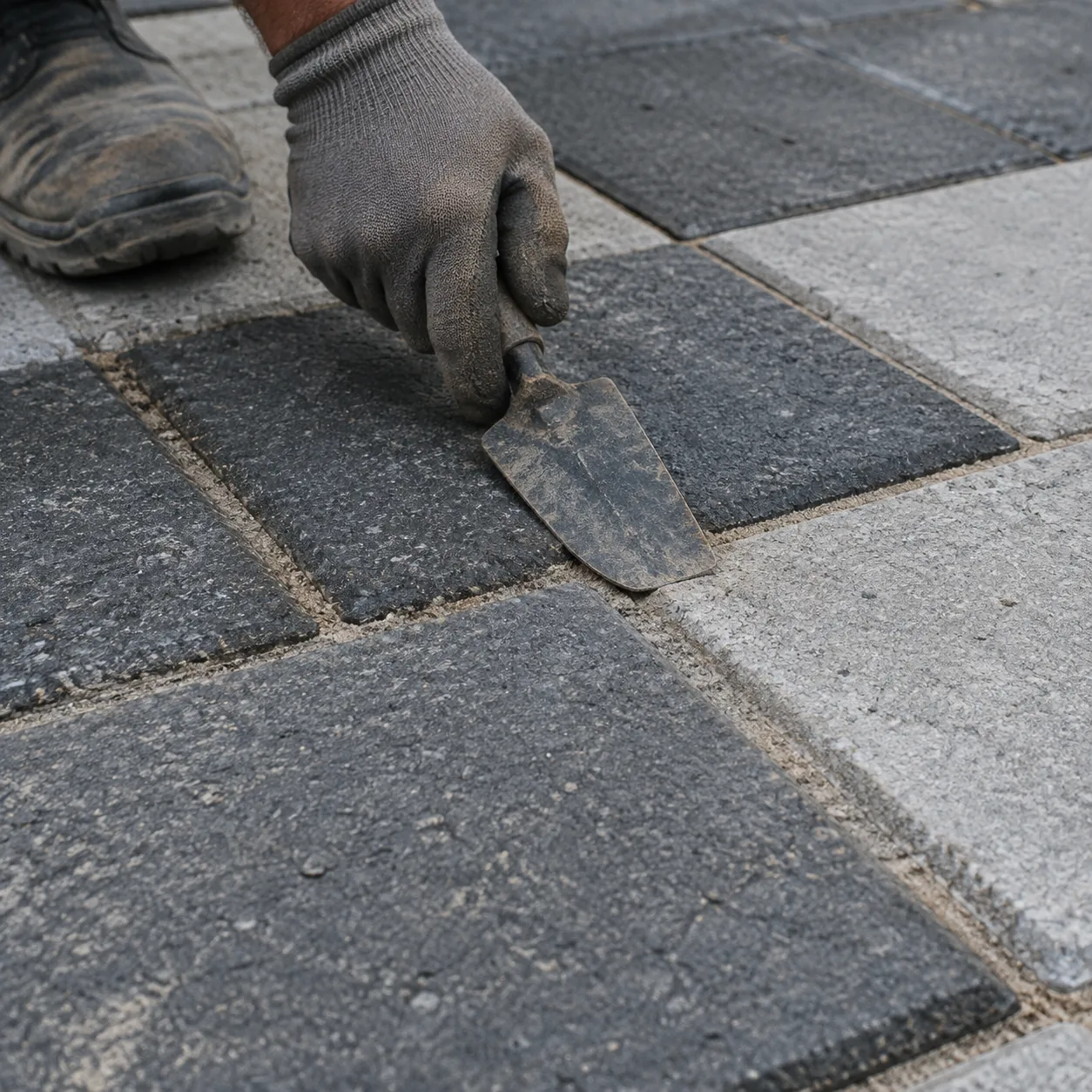
New surface is laid to meet the existing finish at the same height, with joints and edges made good so the repair reads as part of the area rather than a patch. Where a surface has reached the end of its useful life across the whole area, resurfacing is discussed as an alternative to a series of small repairs.
- Full area examined, not just the visible damage
- Failed sections lifted back to sound ground
- Sub-base corrected and compacted where needed
- Levels brought back to the surrounding surface
- New surface tied in at matching height
- Edges and joints made good on completion
The area is measured and the ground looked at before any figure is given.